
The best discounts this week
Every week you can find the best discounts here.

HaritCare Neem Datoon

HaritCare Amla Capsules

HaritCare Moringa Capsules
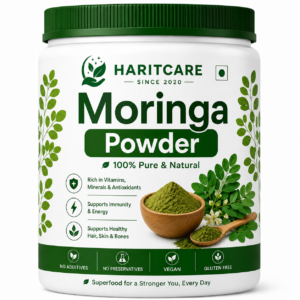
HaritCare Moringa Powder
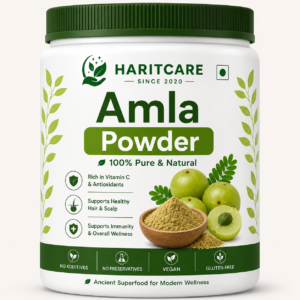
HaritCare Amla Powder
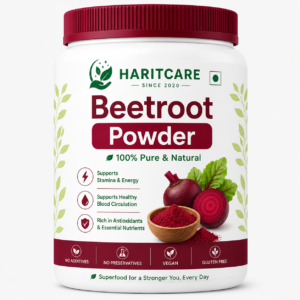
HaritCare Beetroot Powder
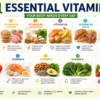
11 Essential Vitamins Your Body Needs Every Day
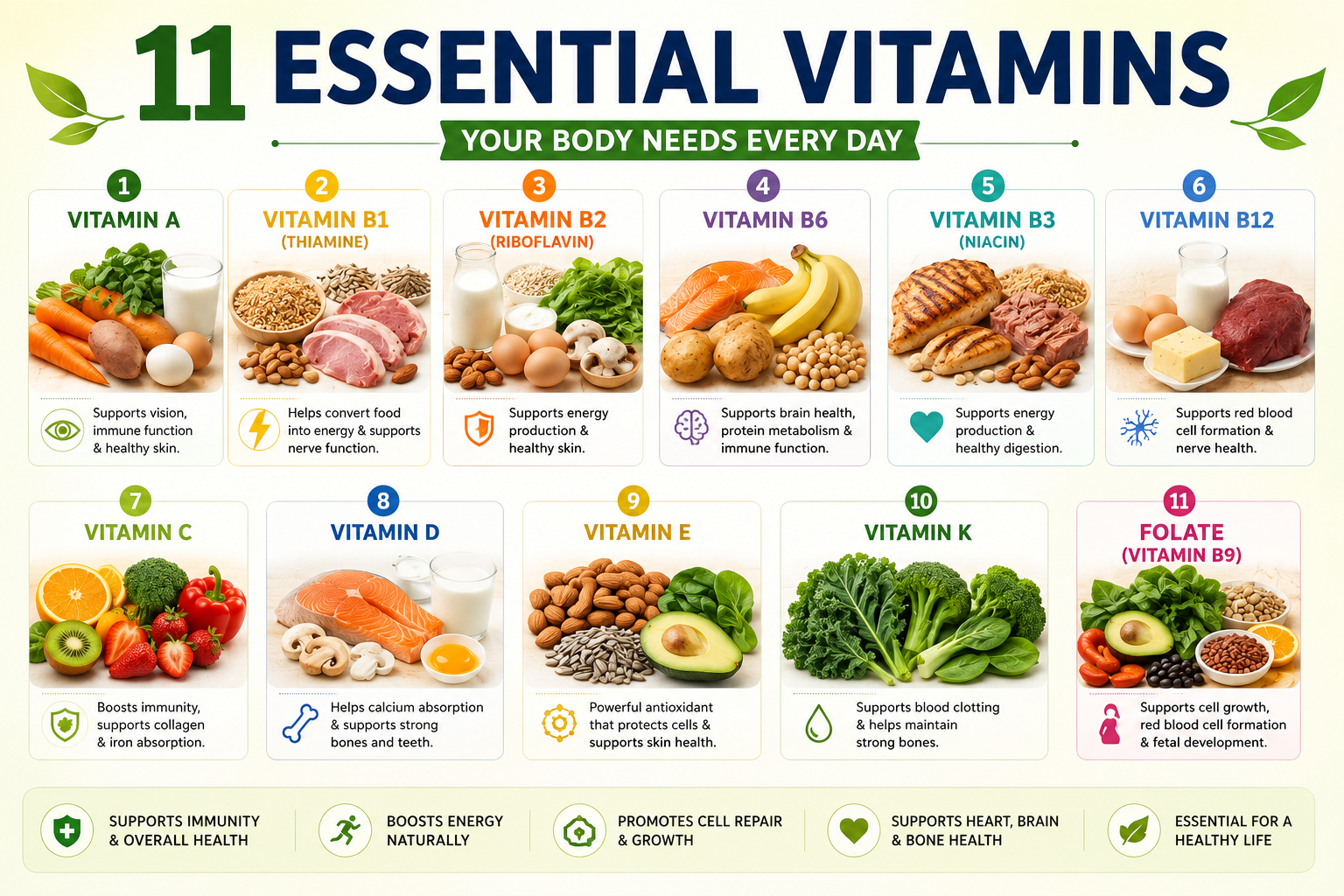
Vitamins are essential nutrients that play a vital role in keeping your body healthy and functioning properly. From supporting your immune system to maintaining strong bones and healthy skin, vitamins are necessary for overall well-being. Since the body cannot produce most vitamins in sufficient amounts, they must be obtained through a balanced diet or dietary supplements when needed.
Here are 11 essential vitamins your body needs every day and their key health benefits.
1. Vitamin A
Vitamin A is important for maintaining healthy vision, supporting the immune system, and promoting skin health.
Benefits:
- Supports eye health and night vision.
- Strengthens the immune system.
- Promotes healthy skin and cell growth.
Food Sources:
- Carrots
- Sweet potatoes
- Spinach
- Eggs
- Dairy products
2. Vitamin B1 (Thiamine)
Vitamin B1 helps convert food into energy and supports the proper functioning of the nervous system.
Benefits:
- Improves energy production.
- Supports brain and nerve function.
- Helps maintain a healthy metabolism.
Food Sources:
- Whole grains
- Nuts and seeds
- Legumes
- Pork
3. Vitamin B2 (Riboflavin)
Riboflavin is essential for energy production and maintaining healthy skin and eyes.
Benefits:
- Supports energy metabolism.
- Promotes healthy skin.
- Helps protect cells from oxidative stress.
Food Sources:
- Milk and yogurt
- Eggs
- Almonds
- Lean meats
4. Vitamin B3 (Niacin)
Vitamin B3 plays a crucial role in digestion, nerve function, and skin health.
Benefits:
- Supports healthy cholesterol levels.
- Improves digestive health.
- Aids in energy production.
Food Sources:
- Chicken
- Fish
- Peanuts
- Brown rice
5. Vitamin B6
Vitamin B6 is involved in more than 100 enzyme reactions in the body and supports brain development and immune function.
Benefits:
- Supports brain health.
- Helps regulate mood.
- Strengthens the immune system.
Food Sources:
- Bananas
- Potatoes
- Poultry
- Chickpeas
6. Vitamin B12
Vitamin B12 is essential for red blood cell formation and nervous system health.
Benefits:
- Supports nerve function.
- Helps prevent fatigue caused by deficiency.
- Aids in DNA production.
Food Sources:
- Fish
- Meat
- Eggs
- Dairy products
7. Vitamin C
Vitamin C is a powerful antioxidant that supports immunity and collagen production.
Benefits:
- Boosts the immune system.
- Promotes healthy skin.
- Helps improve iron absorption.
Food Sources:
- Oranges
- Kiwi
- Bell peppers
- Strawberries
- Broccoli
8. Vitamin D
Often called the “sunshine vitamin,” Vitamin D helps the body absorb calcium and maintain strong bones.
Benefits:
- Supports bone and muscle health.
- Strengthens immunity.
- Helps regulate mood.
Food Sources:
- Fatty fish
- Fortified milk
- Egg yolks
- Sunlight exposure
9. Vitamin E
Vitamin E acts as an antioxidant and helps protect cells from damage.
Benefits:
- Supports skin health.
- Protects against oxidative stress.
- Promotes immune function.
Food Sources:
- Almonds
- Sunflower seeds
- Spinach
- Vegetable oils
10. Vitamin K
Vitamin K is essential for blood clotting and maintaining healthy bones.
Benefits:
- Supports proper blood clotting.
- Helps maintain bone strength.
- Works alongside Vitamin D for bone health.
Food Sources:
- Kale
- Broccoli
- Spinach
- Brussels sprouts
11. Folate (Vitamin B9)
Folate is particularly important for cell growth and development. It is essential during pregnancy and supports red blood cell production.
Benefits:
- Supports healthy cell growth.
- Helps prevent certain birth defects during pregnancy.
- Assists in red blood cell formation.
Food Sources:
- Leafy green vegetables
- Lentils
- Avocados
- Citrus fruits
Tips for Getting Enough Vitamins
- Eat a variety of fruits and vegetables every day.
- Include whole grains, lean proteins, and healthy fats in your meals.
- Stay hydrated and maintain a balanced diet.
- Consider supplements if recommended by a healthcare professional.
- Spend some time outdoors for natural Vitamin D production.
Final Thoughts
Vitamins are the building blocks of good health. Ensuring that your body receives these 11 essential vitamins every day can help improve immunity, energy levels, bone health, and overall wellness. The best way to meet your nutritional needs is through a well-balanced diet rich in whole foods. When necessary, supplements can help fill nutritional gaps and support your daily health goals.
Small dietary changes can make a big difference over time. Prioritize nutrient-rich foods, stay active, and give your body the vitamins it needs to thrive every day.